PROJECT BACKGROUND AND VISION
Hobartica was launched as part of Beaker Street Festival in August 2024, conceived as an Antarctic outpost on the Nipaluna/Hobart waterfront. The aim is to celebrate, understand, and connect with Antarctica, and its place within Hobart’s identity.
We envision Hobartica as Australia’s Antarctic experience, becoming a winter-long cultural destination in Hobart that offers visitors from around the world an immersive experience of the culture, people, environments, and science of Antarctica. During the winter, when most of our local Antarctic scientists and workers are in residence in Hobart, Hobartica will really come alive as a vibrant hub for the general public to engage with Antarcticans and take part in beloved winter rituals like the Polar Plunge.
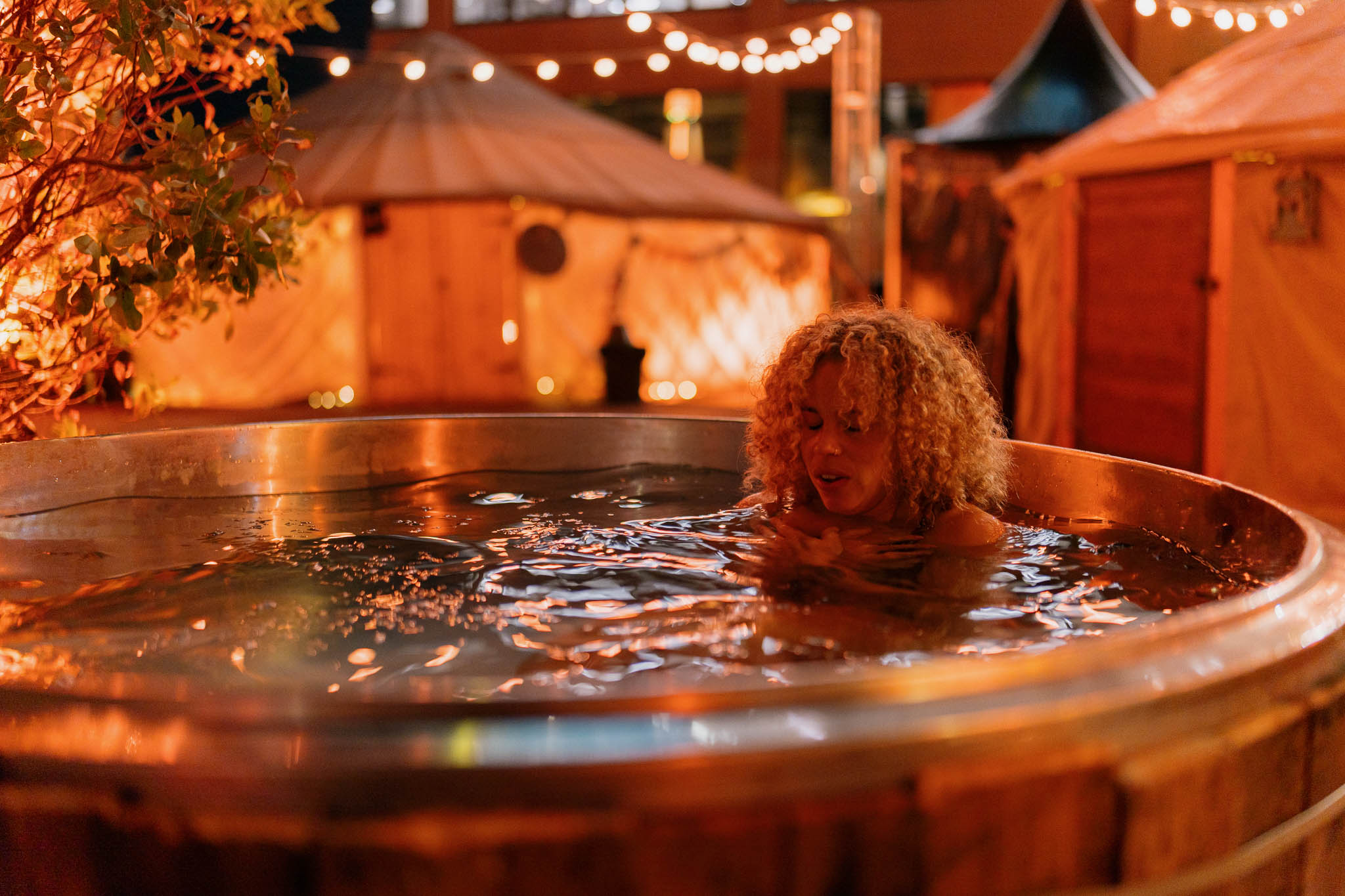
As part of Beaker Street Festival, Hobartica has provided many ways for the public to immerse in Antarctic culture, environments, and science. So far, these have included polar plunge pools in Tasmanian whisky barrels, wood-fired saunas, a quirky Krill party, engaging talks from Antarctic women, scientist chats, art experiences, soundscapes, and live music.
Hobart is one of only five Antarctic gateway cities in the world. With that comes both an extraordinary opportunity, and a responsibility, to act as a custodian for Antarctica, the world’s last wild place.
This connection is already embedded in the city’s identity. Hobart is home to world-leading Antarctic and Southern Ocean science, major research institutions, and international collaborations that shape how Antarctica is understood, protected, and governed. From the critical work of the Australian Antarctic Division, the CSIRO, and the University of Tasmania, to locally-based science and logistics operations, to the presence of global bodies like CCAMLR, Antarctica is not distant from Hobart, it is part of what defines it.
Hobartica brings this connection to the surface. It creates a space for locals and visitors alike to engage with Antarctica in a way that is immersive, social, and grounded in science, without leaving a trace.
FIND OUT MORE IN THIS SHORT VIDEO:
Featured Project
Hobartica: The Cultural Embassy
With the support of Creative Australia, Beaker Street has commissioned a diverse group of cross-disciplinary artists to undertake a creative development process shaping Hobartica into a world-first “cultural embassy,” exploring human connection to place while mitigating the impacts of over-visitation.
Led by Beaker Street and arts leader Travis Tiddy, across a twelve month process artists will develop projects that fuse real-time scientific research with immersive art experiences, bridging the vast physical and cognitive distance between Australia and Antarctica, and establishing Hobart as not just a point of departure, but a place of connection.
Project collaborators include Institute for Marine and Antarctic Studies (IMAS) — University of Tasmania, CSIRO, the Australian Antarctic Division, and the Tasmanian Polar Network.
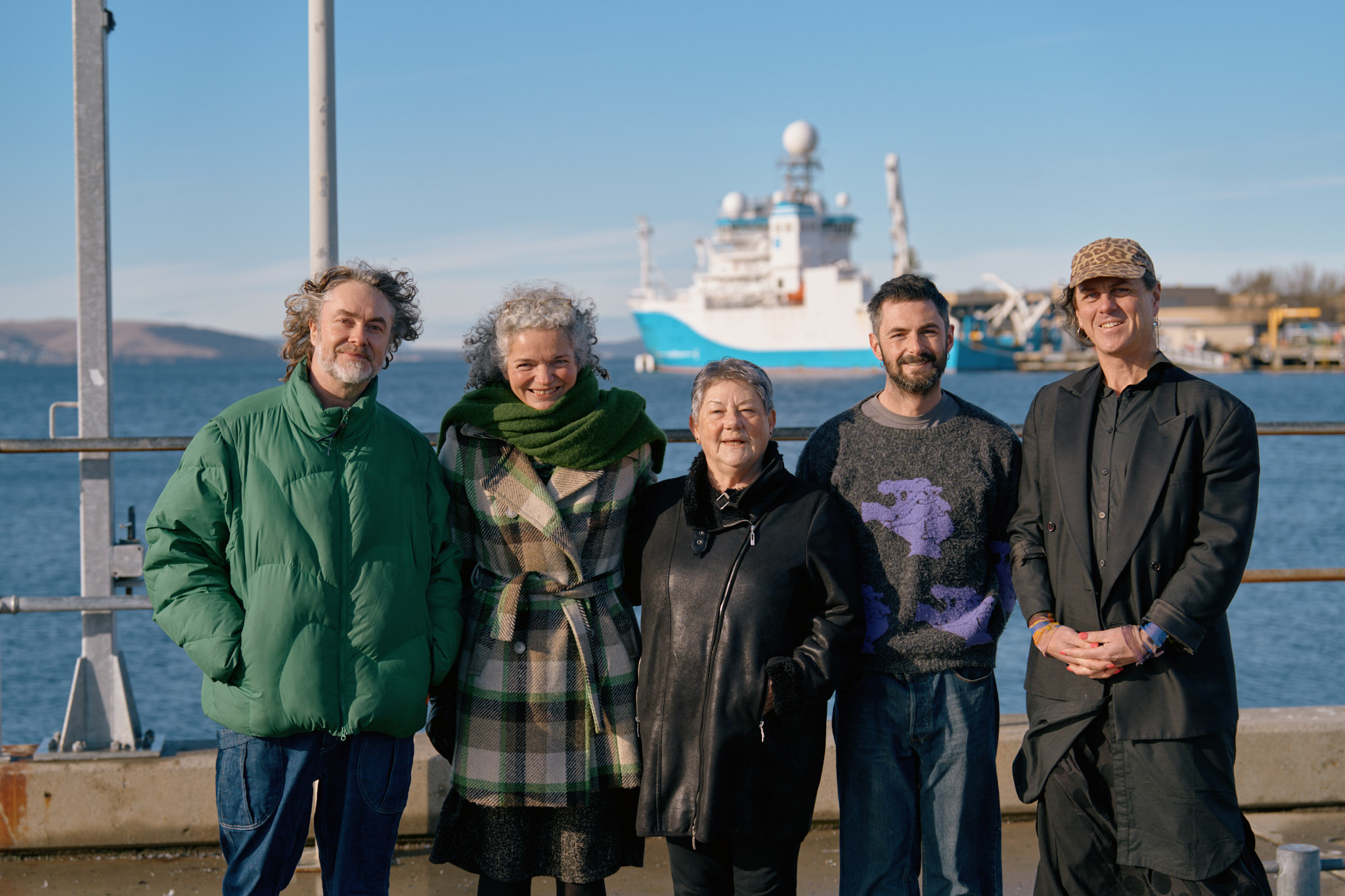
Feature image: The project team on the Hobart waterfront — gateway to Antarctica. In the background, you can see the Antarctic Research Vessel Investigator, alongside the Antarctic research institutes CSIRO and IMAS. All photographs by OI Studios.
This project has been assisted by the Australian Government through Creative Australia, its principal arts investment and advisory body.

MEET THE ‘CULTURAL EMBASSY’ PROJECT TEAM
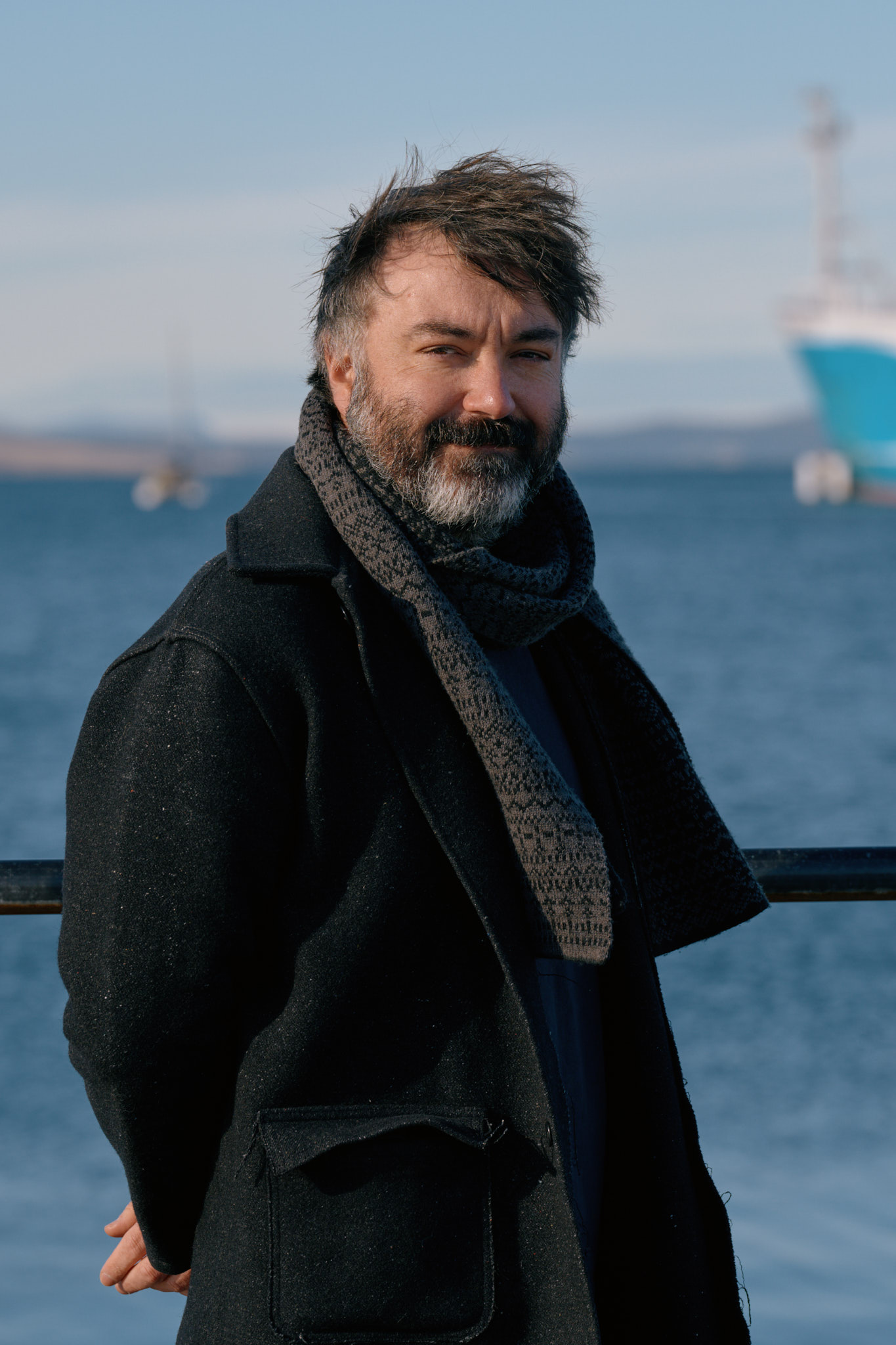
Travis Tiddy
Curator, Hobartica Cultural Embassy
Travis Tiddy is a creative director, producer and cultural leader based in Lutruwita/Tasmania. With a background in experimental arts, place-based programming and community-led cultural projects, Travis is known for curating experiences that connect people with complex landscapes, histories and ideas. He was the founding Artistic Director/CEO of The Unconformity, an internationally recognised arts festival and cultural platform, and is CEO at Design Tasmania, one of Australia’s longest-running design organisations supporting contemporary craft and design practice across the state.
Travis holds a Bachelor of Fine Art in Visual Communication (First Class Honours), a Churchill Fellowship, the Premier’s Young Achiever in Tourism Award, and the Claudio Alcorso International Residency. He has held governance roles with Ten Days on the Island, Tasmanian Regional Arts, and Brand Tasmania, and is currently Co-Creative Director of Hobart Current 2025.
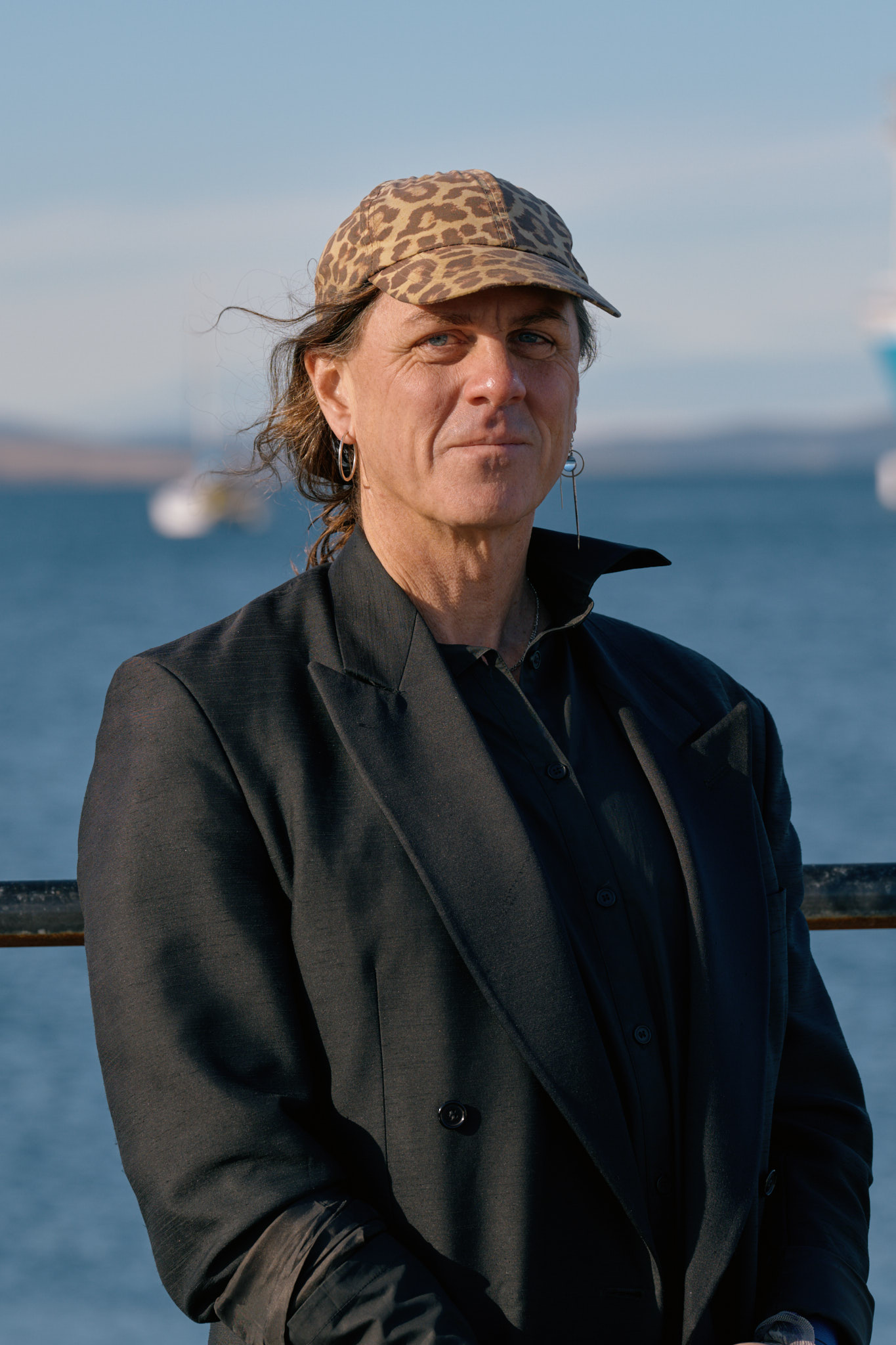
K.Verell
K. Verell (Nipaluna, Lutruwita) is a transdisciplinary artist and storyteller exploring dissonance, posthumanism, and the spectral politics of sound and image. As an Australian Antarctic Arts Fellow, they are developing works on extinction, memory, and the rhythms of ice. BSOD (Blue Screen of Death) is their evolving companion species — a glitch-body of code, synths, and sensors with whom they co-compose, dissolve authorship, and sense the world otherwise.
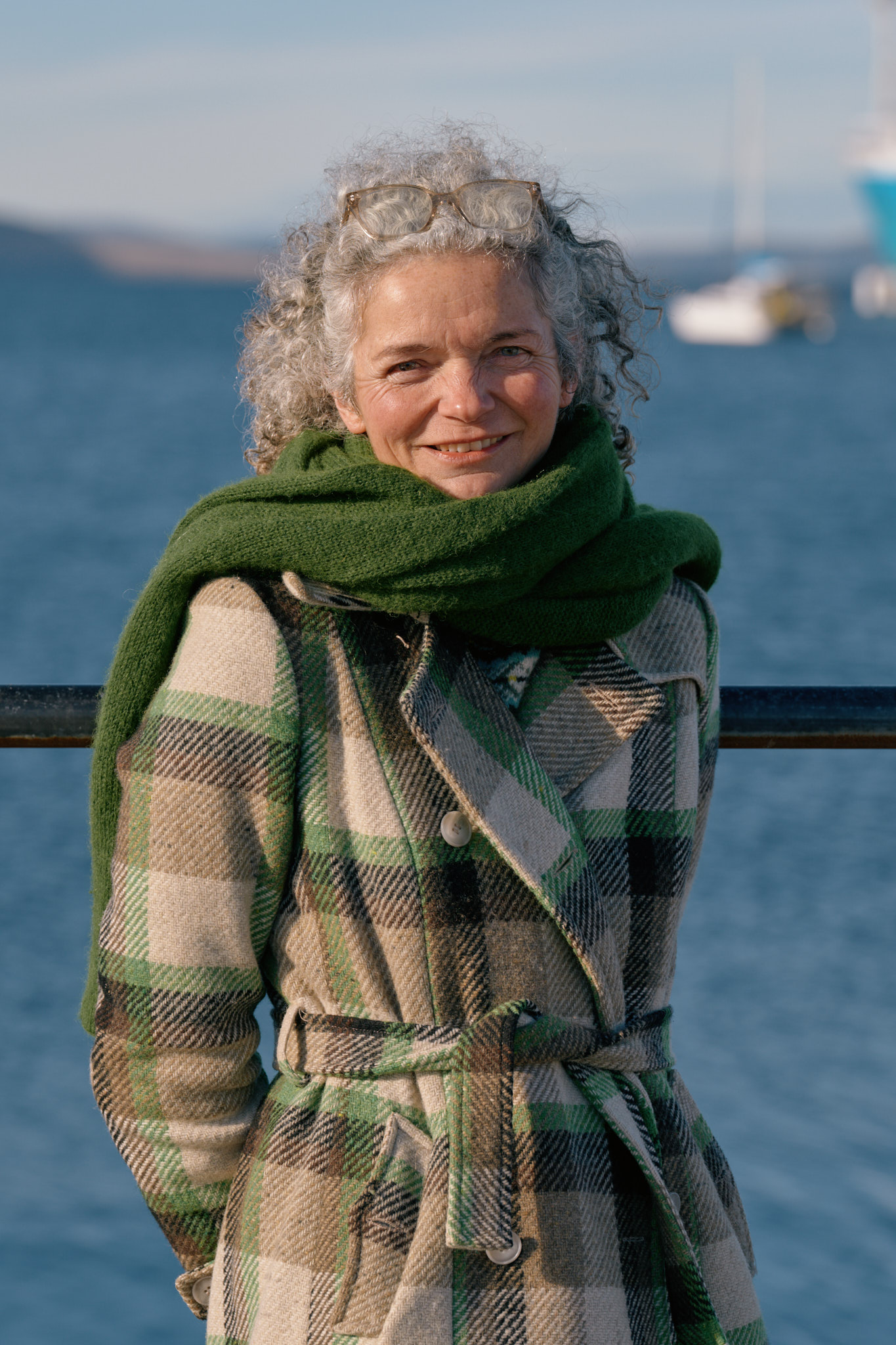
Lucy Bleach
Lucy Bleach’s art practice focuses on humanity’s enduring relationships to volatile environments by engaging with communities that directly experience such interactions and with scientists who monitor the earth’s motion. She generates artworks where processes are contingent on geological force and which anticipate their own ensuing instability and transformation. She works across sculptural forms, living elements, sound, light and moving image, and uses her practice to initiate unpredictable outcomes, investigate transitions of matter, and slow the process of material collapse.
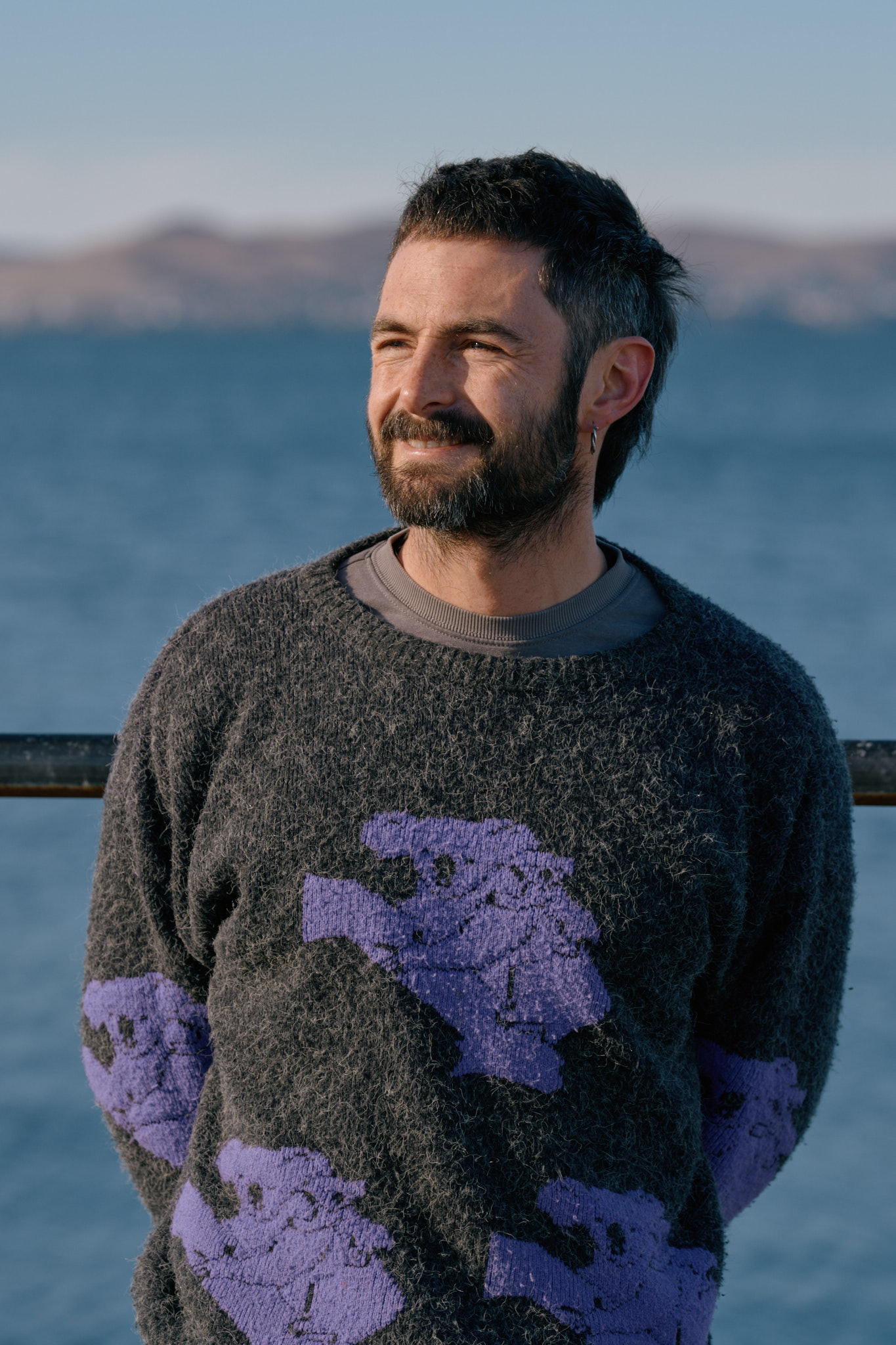
Benjamin Paul
Ben is an artist and designer living on muwinina country in Tasmania. His work explores participatory practice, ecological materiality, and collective care through built public work. With a background in industrial design, Ben’s work spans plastic recycling, system re-imagining, and youth-led co-design. His projects have taken form in galleries, festivals, and public space, developed with community partners across Australia and Europe. Recent collaborations include Karadi Aboriginal Corporation, Floating University Berlin, and Montrose Bay Highschool, with a focus on attuning people to place, relations, and future-making.
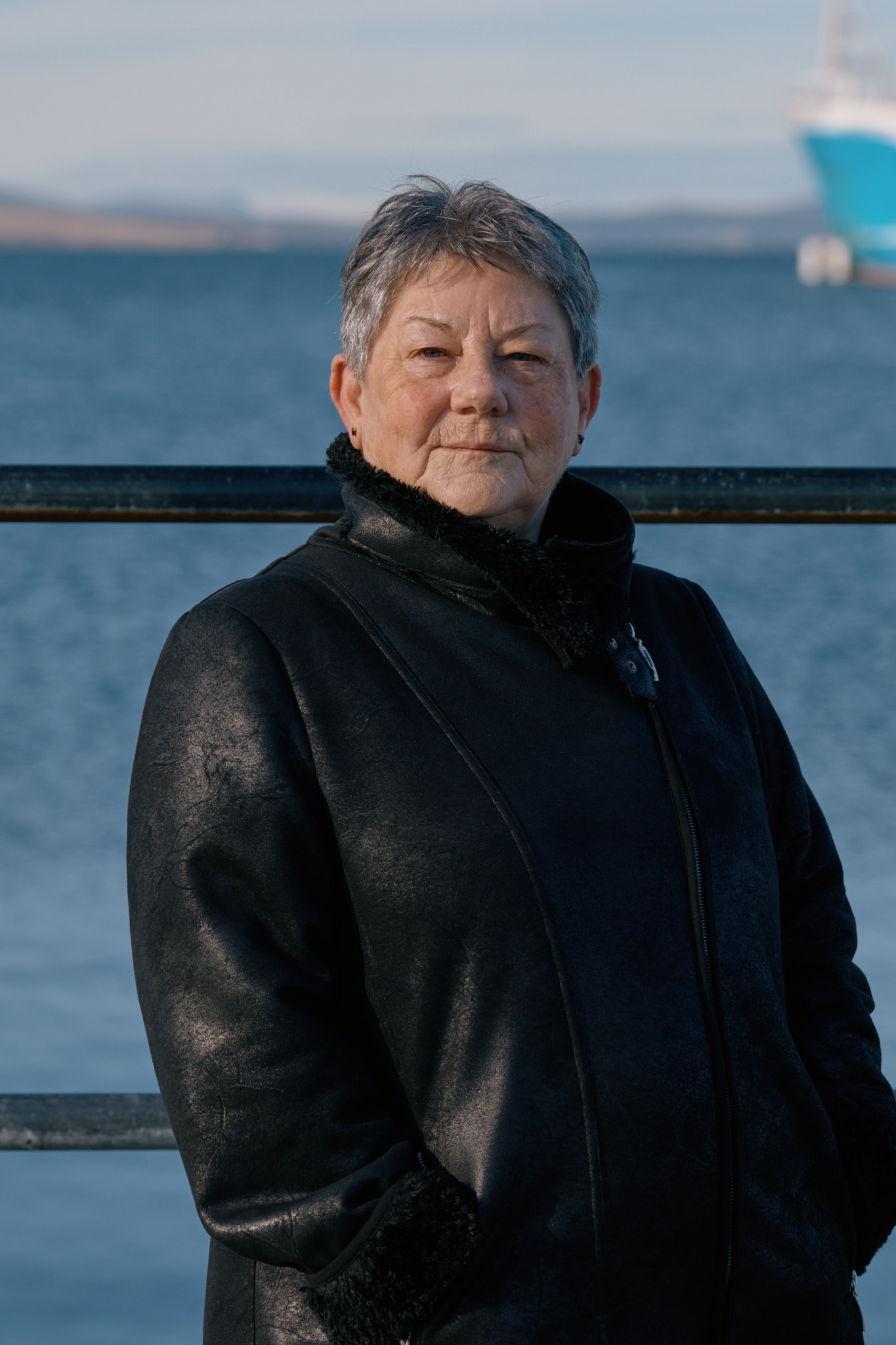
Theresa Sainty
Theresa is a Pakana woman. She is a researcher and writer. Her poetry and essays, written and delivered in both her language, Palawa Kani, and English generally relate to the sacredness of Country, and protection of the disappearing Aboriginal Cultural Landscapes, and Aboriginal Heritage. Speaking for Country is an act of sovereignty; of defiance and in doing so she honours Palawa Ngini (the Old People) of Lutruwita, their Country, languages and pays tribute to all Elders.
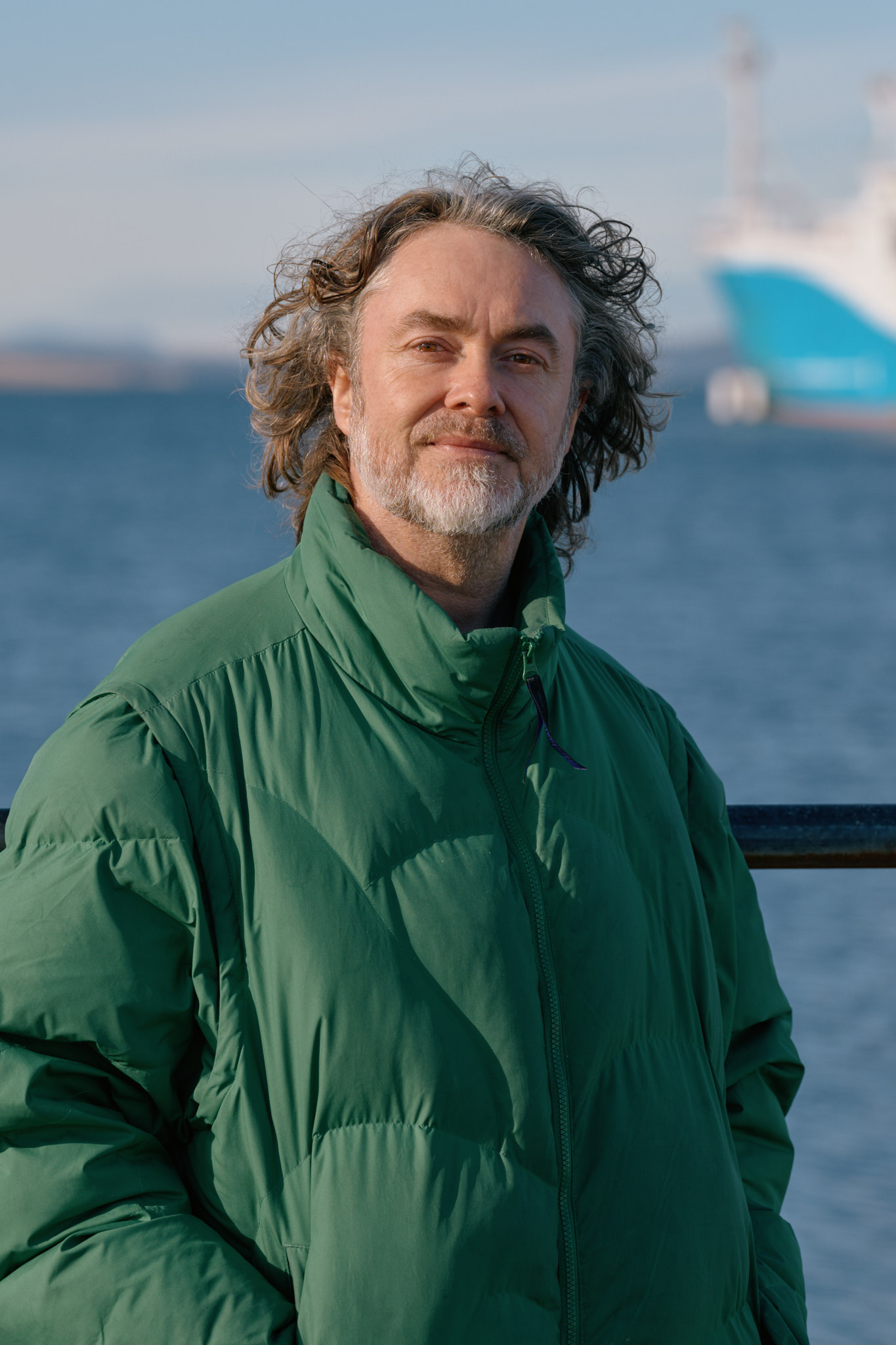
Adam James
Adam James aka Rough Rice is a self-taught cook, designer, fermenter and experiment maker. His obsession is the alchemy of fermentation, preservation, nutrition and flavour making. His work in fermentation takes traditional techniques from around the world and adapts them to local / seasonal produce.
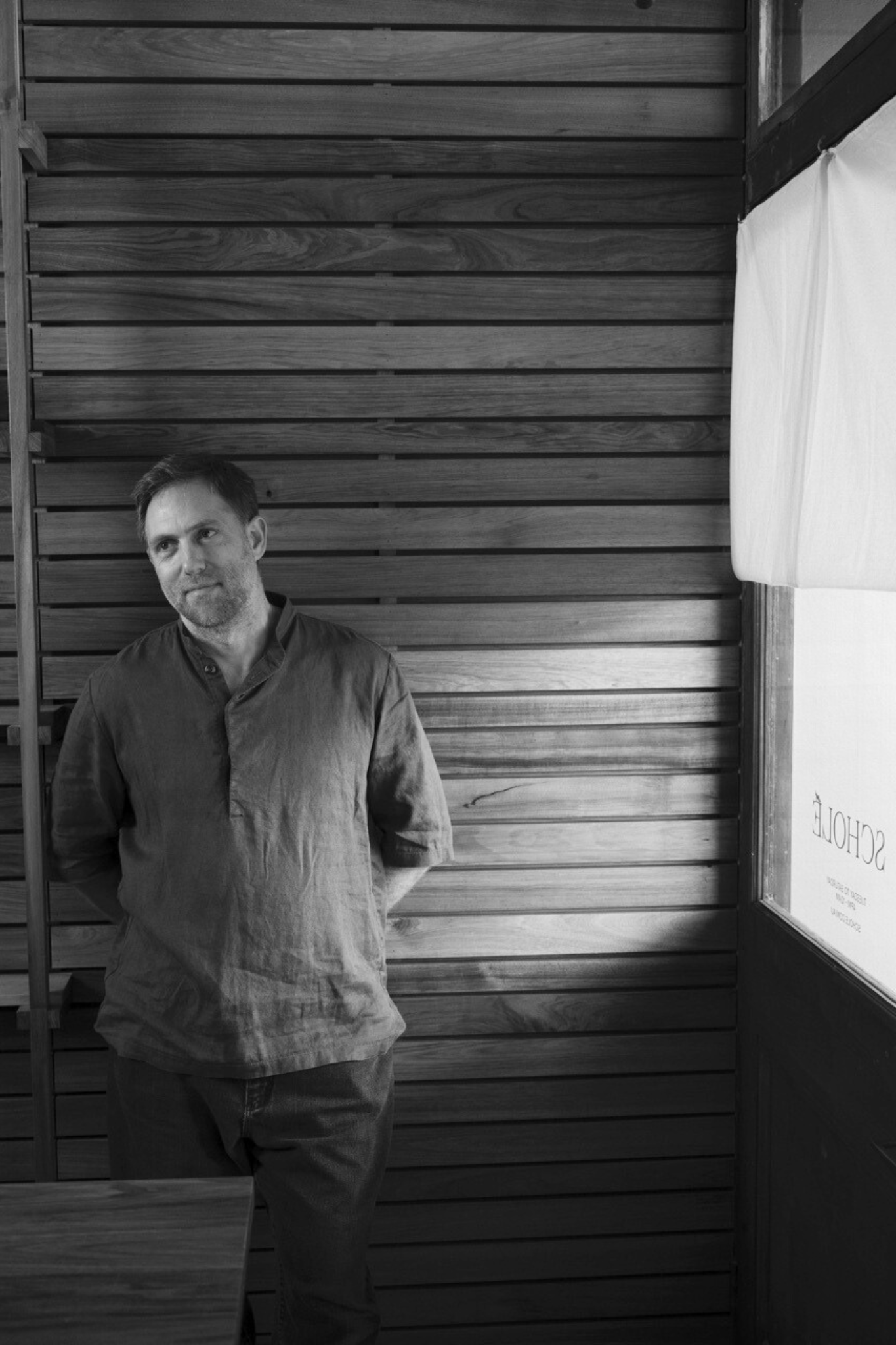
Luke Burgess
Luke Burgess is a chef and food systems thinker whose journey began with a four-year apprenticeship in Sydney, including time at Tetsuya’s, before heading to London to explore farming, fishing, and artisanal supply chains. A spontaneous move to Tasmania saw him open Pecora Café, then the acclaimed Garagistes — a communal dining space known for natural wines, organic produce, and a low-waste ethos. The restaurant earned national awards and industry acclaim, followed by the launch of Sidecar.
After stepping away to research regenerative farming, Luke spent time working with organic growers and designing new food experiences. He’s served on the board of SPROUT, planted trees with Landcare, and is part of the CookSafe coalition, promoting fossil-fuel-free kitchens.
Luke’s latest project is Scholé — a restaurant and wine bar in an old confectionery shop, built around the ancient idea of leisure as creative exploration. It celebrates seasonality, community, and curiosity in food and wine.
We would like to acknowledge Loren Kronemyer who conceived the idea of developing Hobartica into a cultural embassy.
WE’D LIKE TO THANK OUR HOBARTICA COLLABORATORS, INCLUDING:
Institute for Marine and Antarctic Studies
CSIRO Marine National Facility
AAD – Australian Antarctic Division
AuScope
Mawson’s Huts Foundation
Tasmanian Polar Network
Antarctic Women’s Network
University of Tasmania
ASOC – Antarctic and Southern Ocean Coalition
SAEF – Securing Antarctica’s Environmental Future
ACEAS – Australian Centre for Excellence in Antarctic Science
Antarctic Tasmania
CCAMLR – Commission for the Conservation of Antarctic Marine Living Resources
Australian Antarctic Program Partnership
Creative Antarctica
Antarctic Science Foundation
Bureau of Meteorology
WWF Australia