MEMB
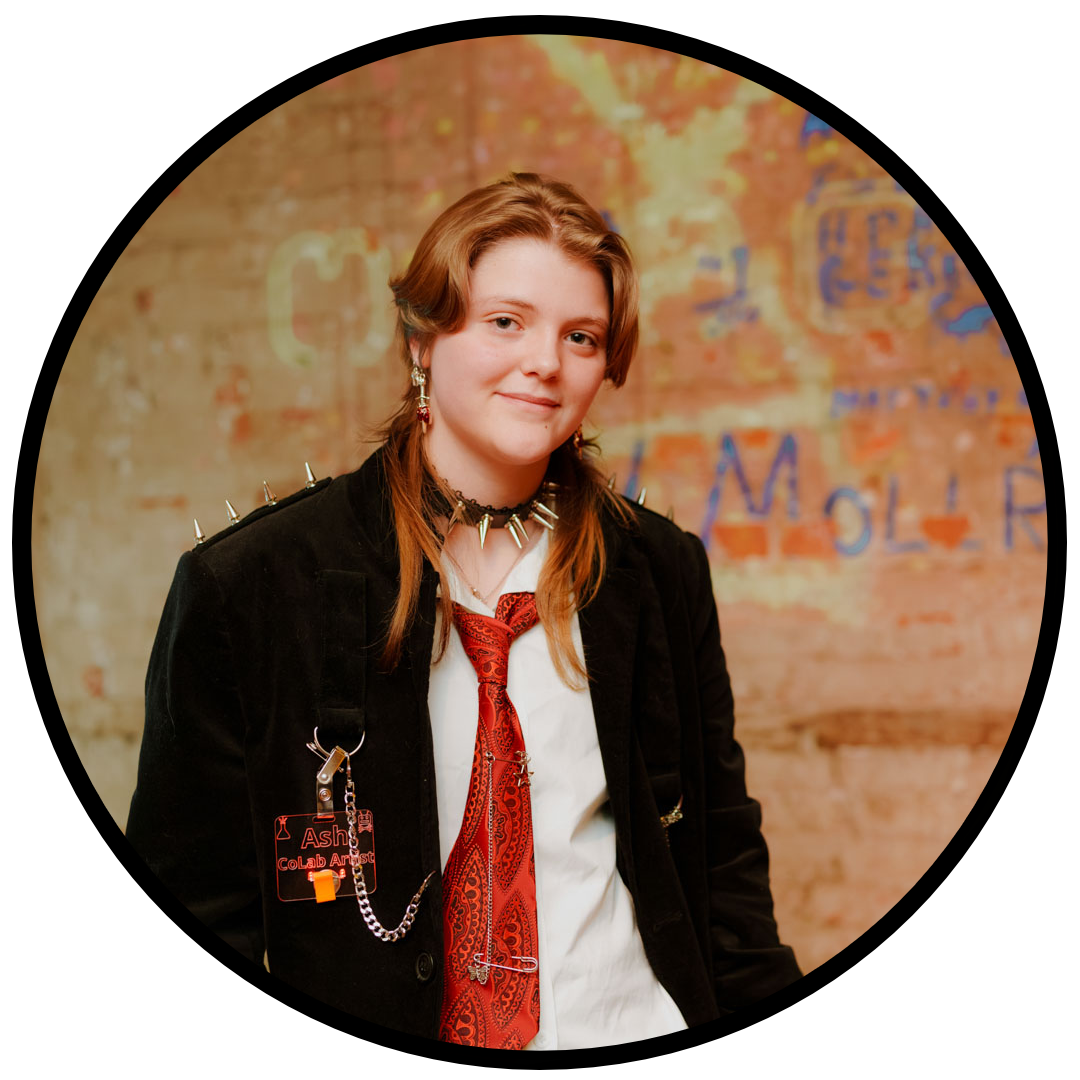
Ash Taylor, Big Picture, Hobart City High School
In collaboration with Dr Sophie Navickas
Menzies Institute for Medical Research, UTAS
Artist’s Statement
For my project, I collaborated with Dr Sophie Navickas who is a scientist that focuses on epigenetics and cancer in children called Medulloblastoma. This is a brain tumour that starts in the back and lower part of the brain called the cerebellum, which affects movement and coordination. Sophie’s research in epigenetics involves finding ways to turn genes on and off in our DNA to help slowdown and stop cancer.
When I visited Menzies laboratory, I saw the cancer cells under a microscope and saw Sophie demonstrate how they would feed the cells with a culture medium to study them. I found it interesting that the cancer cells had to be kept alive so they could study their growth and the effects of change due to epigenetics.
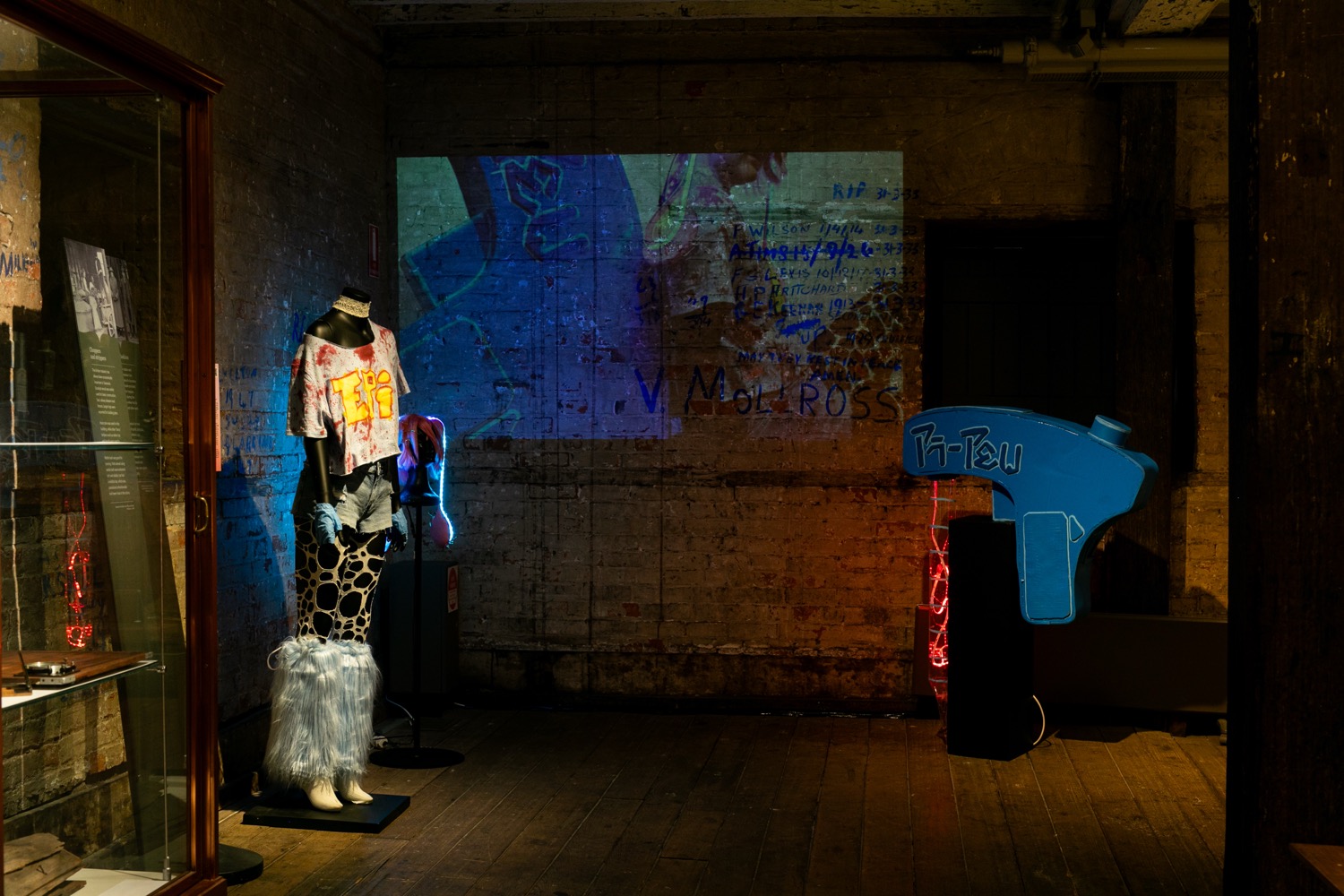
In response, I created a villain character based on the cancer and designed an outfit to reflect its harmful behaviours. As such, I wanted the character’s personality to show it being dangerous, fussy, aggressive and fast moving.
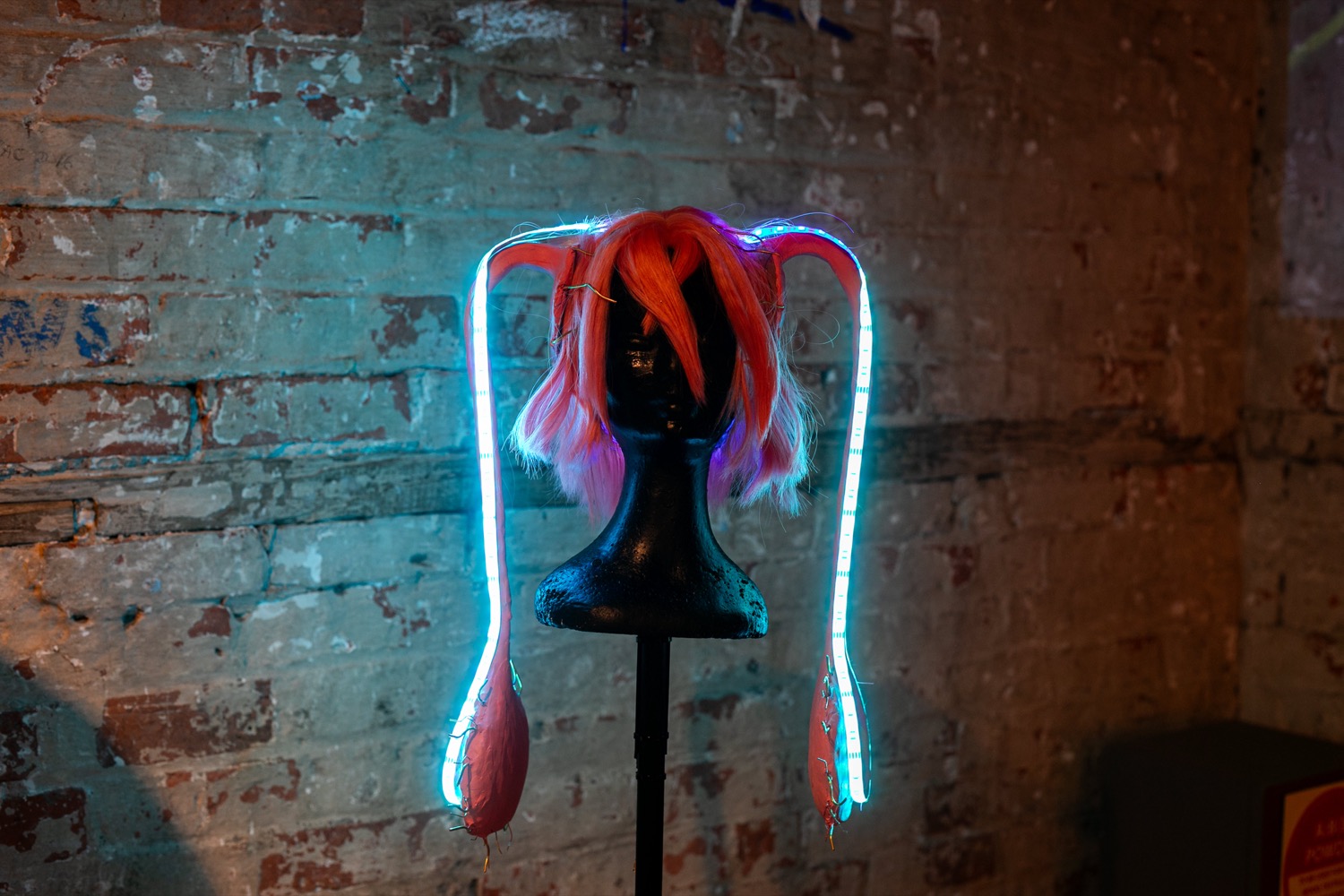
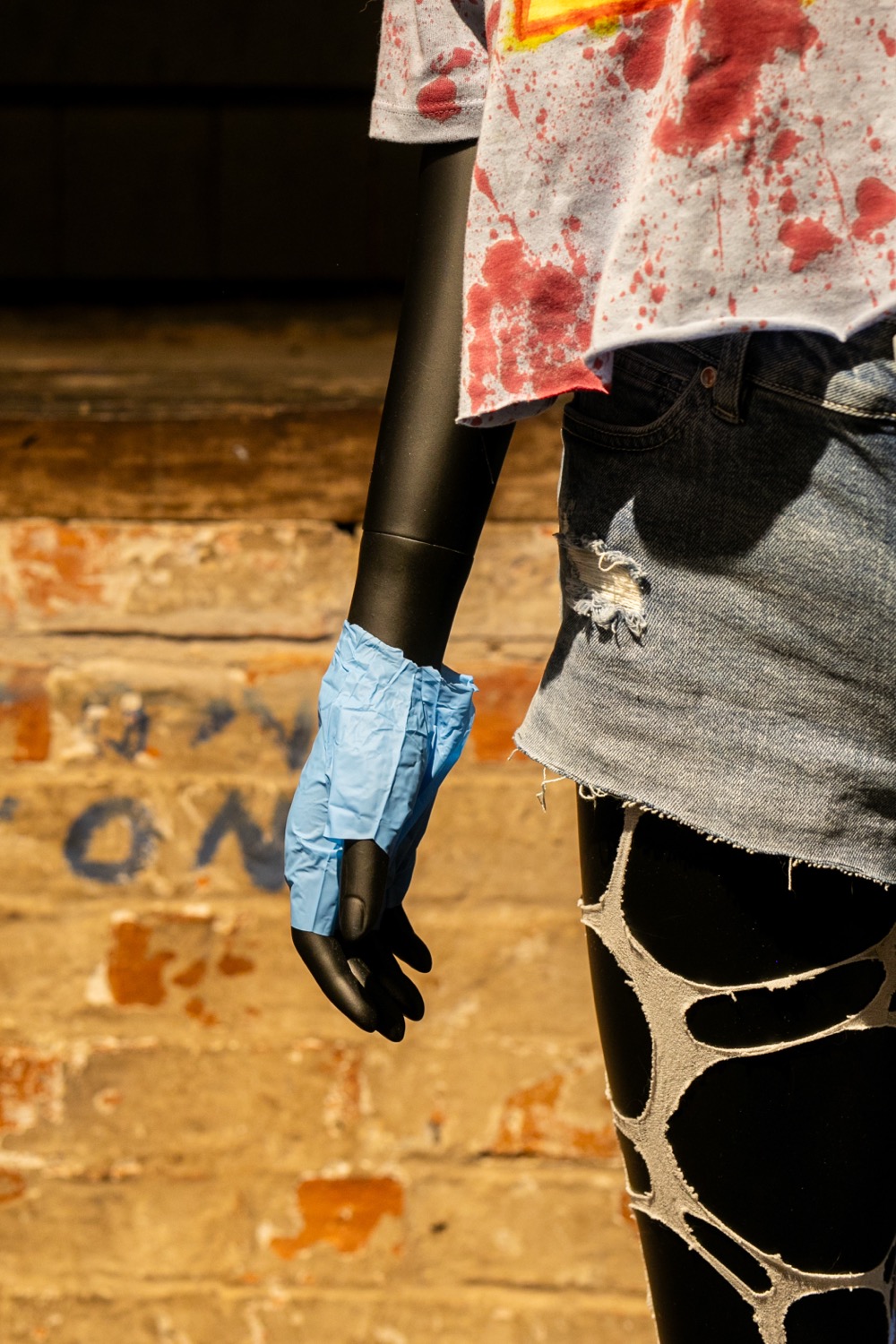
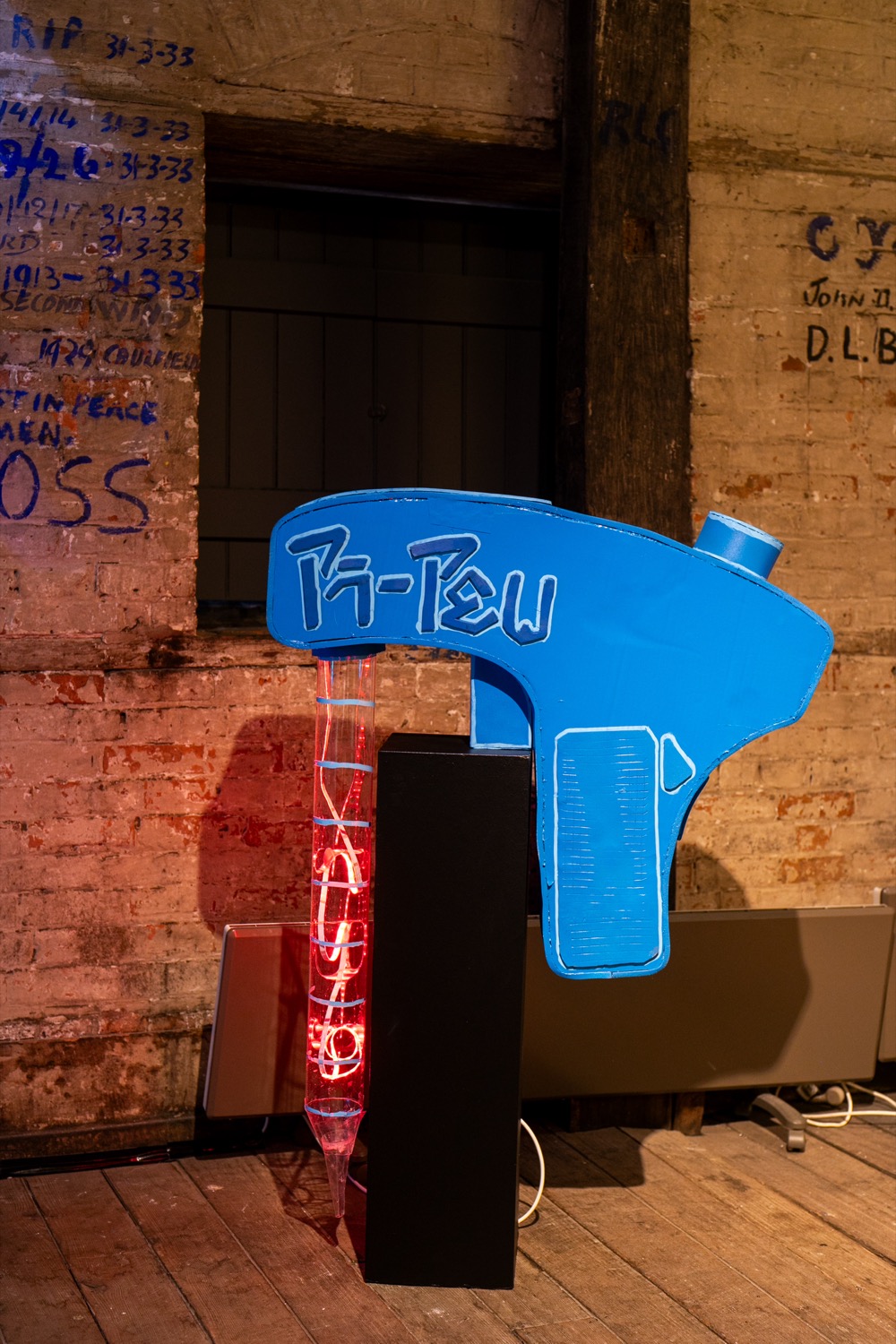
The pink and red colours of the costume aim to reflect the culture fluid used to feed the cells and the head piece is based on motor neurons and nerve endings that connect brain tissue to organs that allow movement. The character’s weapon is a based on an automatic pipette, which is used to transfer liquids in a laboratory. The yellow reflects the colour of the microscopic images that I saw, and the blue was to symbolise the sanitary items used by scientists. The design of the costume aims to bring together and reflect all the different things I saw and learnt about during the visit to Menzies. The character’s name, MEMB, is based on the name of the culture fluid (Minimum Essential Medium) and the ‘B’ from the word blastoma, which is the type of cancer.
I decided to use fashion and cosplay to create an accessible and fun way to engage youth in both art and medical science. I developed the character deliberately to be initially seen as fun or playful, but in fact masking a sinister intention. In superhero folklore, villains and heroes regularly wear costumes to represent who they are, including their personality and powers, as well as to both hide and portray their identity. Here the costume is a disguise to try and lure in children who are most susceptible to Medulloblastoma.
I hope that my artwork can speak to the youth about this terrible cancer and bring awareness to the current scientific research that is being done to fight the disease. The heroes in this story are the scientists, like Sophie.
Project Gallery